


Roulette strategy for neighbours bets sits at the intersection of pattern spotting and bankroll discipline, a space where a few spins can stretch into a long arvo if you are not watching the clock. This approach is not about chasing guaranteed wins; it is about structuring your wagering around specific wheel sections so you know exactly where your chips are pointed before the dealer spins. For anyone comparing it to the steady grind of affiliate growth or domain investing, the discipline is similar: you set a position, manage exposure, and walk away when the numbers stop lining up.
How the Neighbours Bet Actually Works
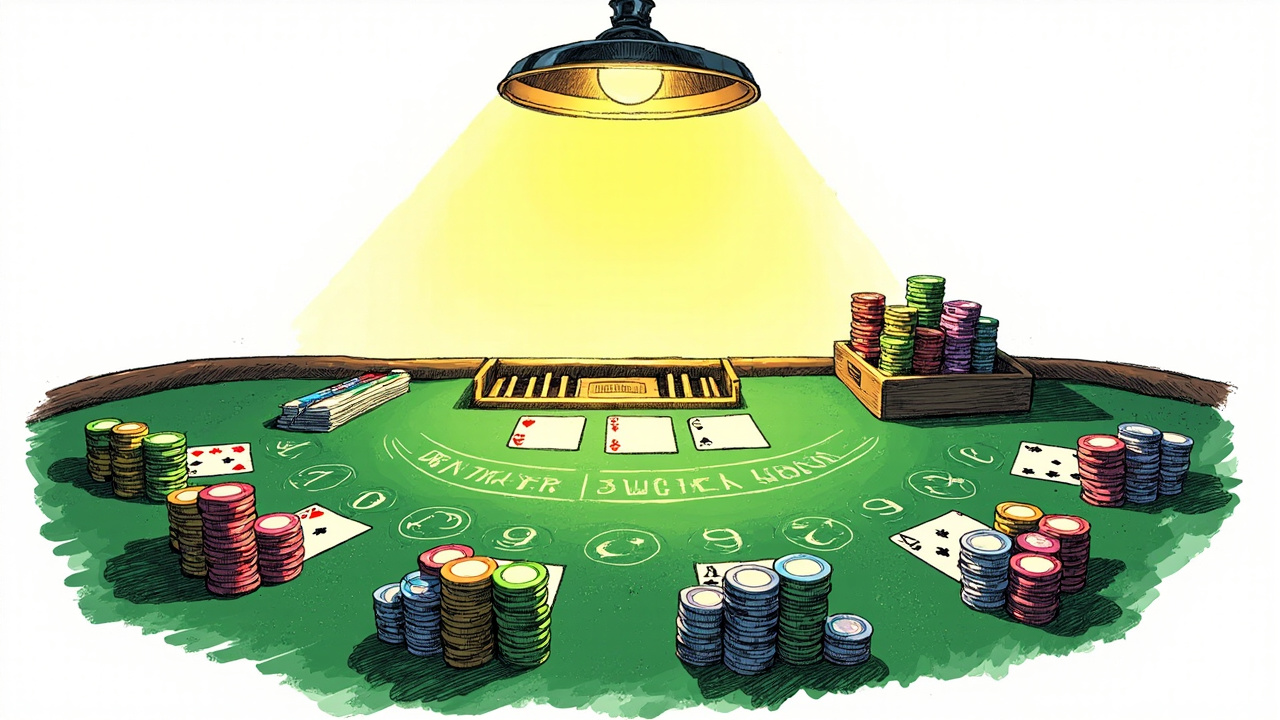
The neighbours bet is a wheel-based wager that covers a chosen number plus a set number of pockets on either side, which means you are betting on a physical section of the roulette wheel rather than a straight grid line. On a single-zero wheel, a common setup covers five numbers total, and the chip split reflects that coverage so your stake is divided across the selections automatically. If you pick number 17 with two neighbours on each side, you are effectively wagering on 17, 10, 28, 3, and 24 in one go, and the payout is calculated from the straight-up odds of each covered number. This is where roulette strategy for neighbours bets becomes a positioning exercise rather than a prediction game, because you are committing to a segment and accepting the house edge on every spin. In chemin de fer, the banker role passes around the table, and that kind of shifting responsibility is a useful comparison when you think about how neighbours bets rotate your focus across different wheel sections depending on where the ball is likely to land. The trade-off is simple: you get broader coverage on a targeted slice, but you are still paying the same edge on every chip in play, so the bet does not erase the maths, it just organises your exposure.
Building a Practical Session Around the Bet
A workable session starts with a fixed bankroll and a clear exit point, because neighbours bets can quietly chew through a stake if you keep extending the section or raising the base chip without a plan. The process a player goes through looks like this: pick a single number that feels readable on the wheel layout, decide how many neighbours each side will cover, set a unit size that fits the session budget, and write down the stop-loss figure before the first spin. After that, you track results against the section rather than against individual numbers, so you can see whether the wheel is actually favouring your chosen pocket cluster or just running random. Players in “the zone” often report losing track of time and money, and that is exactly the drift you want to avoid when a neighbours bet is running, because the section focus can make a losing run feel like it is building toward a turnaround when it is not. For an ordinary Australian reader, the everyday effect is straightforward: you might sit down after work with a set amount for the arvo, use the neighbours structure to keep your wagers organised, and still walk away with the same discipline you would apply to a budget for groceries or a weekend trip to Perth. The strategy works best when you treat the section as a lens for observation, not as a signal that the next spin is owed to you.
Where the Approach Fits and Where It Stretches
The strength of neighbours betting is that it gives a structured way to play sections without scattering chips across the whole layout, and that can make a session feel more deliberate than throwing straight-up picks at random. It also pairs well with single-zero wheels, where the section coverage is tighter and the payouts are less eroded by the extra zero, so the bet’s organisation actually matches the wheel’s geometry. The limits are just as real: the house edge stays intact, the coverage is still finite, and a neighbours bet does not turn a biased section into a sure thing, because wheel bias is a rare and slippery thing in a modern casino environment. If you compare this to the way “21 Blackjack” popularised the MIT counting story for new audiences, the parallel is that a neat narrative can make a tactic look sharper than it is, when in practice the edge is still small and the variance is still heavy. Roulette strategy for neighbours bets is at its best when you use it to focus a session, manage stake size, and keep your eyes on a defined pocket cluster, but it is not a workaround for the underlying maths or a reason to override your stop-loss. The fit is strongest for players who want a section-based structure and are comfortable with the trade-off between coverage and edge.
Reading the Wheel Without Overreading It
The most useful habit with neighbours bets is to watch the wheel and the dealer’s release for a few minutes before you commit, not to hunt for a pattern that guarantees anything, but to notice whether a section is showing up more often than your patience can justify. You are looking for practical cues: consistent ball behaviour, a release that seems repeatable, and a pocket cluster that has appeared enough to warrant a measured test rather than a full stake. Even then, the read is provisional, because a short run of hits can evaporate in a handful of spins, and the neighbours structure only helps if you are willing to scale back when the section goes quiet. This is where the affiliate-growth mindset is a fair comparison: you do not throw budget at a traffic source just because one day popped, you check the trend, size the test, and cut it back if the signal fades. The same discipline applies here, and it is what separates a deliberate neighbours session from a scattergun run that happens to use the same bet name. If you are also playing other table games or switching to pokies 74 net australia on a different device, the neighbours bet still asks for the same focus on section, stake, and exit, so the tactic stays useful only when you keep it tied to a plan rather than a hunch.

A solid neighbours session ends the same way it starts: with a number in mind, a section chosen, and a clear point where you stand up and reset. The bet gives you a structured way to play a wheel segment, and that structure is the whole point, because it keeps your wagers organised and your expectations grounded. No approach removes the house edge, and no section read turns roulette into a risk-free exercise, so the value is in the discipline, not the promise. If you treat roulette strategy for neighbours bets as a way to focus a session and manage exposure, it can fit neatly into a measured night out, whether you are at a local venue or watching a live table from home. pokies 74 net australia