


Punting longshots is less about chasing a big strike rate and more about managing how risk sits inside a session. When I worked on trading desks and product builds for Sportcast, I saw how markets price low-probability outcomes long before any bet lands, and that same discipline matters when you sit down at a casino table or open a browser on a Tuesday arvo. The approach works best when the priorities are clear from the start: sizing, patience, and knowing where the edge of your bankroll actually is. That is the frame I want to keep here, because the real question is not whether a longshot pays off once, but whether the setup around it is built to handle the swings without turning a punt into a bad afternoon.
How the longshot mindset differs from routine betting
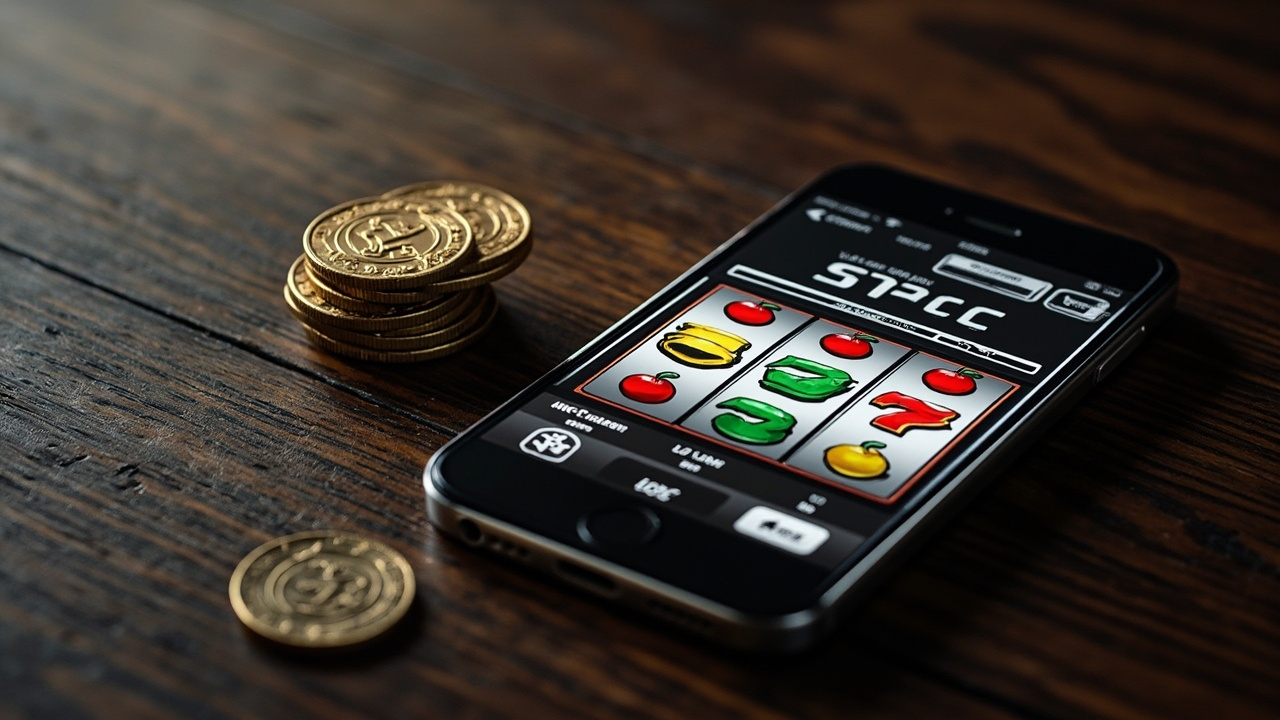
Most regular betting habits are built around frequency and familiarity, where the aim is to keep the process steady and the variance contained. Punting longshots flips that priority. The focus moves toward outcomes that sit further from the centre of the market, which means the payoff structure, the timing, and the way you size each decision all need to be handled differently. In a sportsbook context, that is where trading discipline matters most: prices are not just numbers on a screen, they are reflections of how the market is positioning risk, liquidity, and expected exposure over time. I have watched product teams build markets that reward patient staking rather than constant action, and the same logic carries over when the venue is a casino rather than a racebook.
That difference matters because a longshot approach is not a volume exercise. It is a selection exercise. You are not trying to be right often; you are trying to be ready when the market or the wheel or the shoe offers a genuine mismatch between price and probability. The discipline comes from accepting that most sessions will be quiet, and that the quieter they are, the more important it is that the platform itself is not getting in the way. If the interface is clunky, the markets are slow to refresh, or the mobile flow breaks up the rhythm, the whole approach starts to drift away from what it was meant to be. A longshot mindset needs a setup that stays calm while you wait, not one that nudges you into action just because the screen is busy.
What to look for when the setup matters more than the strike rate
Market layout and how prices are presented
The first thing I look for is how clearly the pricing is laid out, because longshot decisions are only as good as the information in front of you. In a sportsbook, that means being able to read the market quickly, see how prices have moved, and judge whether the number on the screen actually reflects the risk you are being asked to take. On the casino side, the equivalent is less about odds movement and more about how the table, the rules, and the payout structure are presented before you commit. If the details are buried or the presentation is noisy, you are making decisions on incomplete information, which is the opposite of what a longshot approach needs.
I have seen product teams treat market presentation as an afterthought, and it shows up in the way players overcommit because the numbers looked cleaner than the situation really was. The better setups keep the important details close to the action: the stake, the potential return, and the rule that governs the outcome. That is not glamorous, but it is the kind of product judgement that separates a platform built for deliberate play from one built to keep the screen full. When you are punting longshots, clarity is not a bonus feature; it is the thing that lets you actually think before you click.
Staking, pacing, and the mobile flow
Staking is where the longshot approach either holds together or falls apart, and that is true whether you are on a desktop browser or tapping through a phone. The aim is not to flatten every session into the same stake, because the whole point is that different outcomes carry different weight. What matters is that the platform lets you adjust without friction, that the pacing feels deliberate rather than rushed, and that the mobile experience does not nudge you toward impulsive sizing just because the interface is too bright, too fast, or too crowded. I have sat through enough product reviews to know that mobile-first does not mean mobile-only, and a good setup should work cleanly across both without making you relearn the flow each time.
Performance matters here more than people admit. If the page loads slowly, the markets lag, or the navigation forces extra taps where one would do, the session starts to feel like work before the first decision is even made. For a longshot approach, that is a real problem, because patience is part of the strategy, not a side effect of it. A platform that is responsive, readable, and easy to move through on a phone helps preserve the rhythm you want, especially when you are playing in a quieter window of the day rather than in the middle of a busy crowd. The less the technology fights you, the more room you have to actually manage the risk.
Table rules, payouts, and the cost of the edge
The third piece is the fine print around the game itself, because longshot thinking is always tied to the actual cost of the edge you are being offered. In Baccarat, the commission on winning Banker bets is usually 5%, and that is the kind of detail that changes how you think about value rather than just looking at the headline payout. It is a modest-sounding number until you stack enough decisions on top of each other and realise it is part of the price of playing the game the way the house intends. The same kind of attention applies wherever you sit down: the rules, the payout structure, and the way the edge is built into the game all need to be understood before you start treating any outcome as a genuine opportunity.
This is also where a bit of local context helps. Australians wager billions on the Cup carnival each spring, and that seasonal rush shows how easily a big event can pull people into action that feels more urgent than it really is. The longshot approach is different because it is not built around the crowd or the noise; it is built around the decision in front of you. If the table rules are clear, the payout structure is honest, and the pace of the game lets you think, then the setup is doing its job. If it is not, no amount of excitement in the room will make the maths easier to live with.
Who this approach suits, and who it probably will not
This is not a style for someone who wants constant action or a session that feels busy from the first minute to the last. Punting longshots suits people who are comfortable with quiet stretches, who can size a decision without needing the screen to tell them what to do next, and who understand that a low strike rate is part of the plan rather than a sign that something has gone wrong. It also suits players who care about the quality of the setup itself, because the approach depends on being able to read the market, the table, or the interface without extra noise getting in the way. If you are the sort of player who wants a clean mobile flow, clear pricing, and a pace that lets you think, the longshot frame can make sense.
It is less likely to suit someone who is chasing a feeling, or who treats a session like a race to a result. The approach asks for restraint, and restraint is not the same thing as boredom, but it does mean accepting that some sessions will do exactly what they are supposed to do and still end without a big moment. That is fine if the priority is discipline over drama. If it is not, then the whole setup will probably feel wrong pretty quickly. I would rather describe it as a fit for a certain kind of player than pretend it is a universal answer, because the people who get value from it are usually the ones who already understand their own limits before they sit down.
If you want to compare how a different part of the same industry thinks about bonus value and player incentives, it is worth reading something like how to judge a poker sign-up offer before you decide what kind of welcome mechanics actually suit your play. That kind of side-by-side thinking helps, because bonus structures can quietly change how a session feels even when the game itself has not changed at all. For Australians, the practical takeaway is straightforward: the longshot approach works best when the platform is calm, the rules are visible, and the staking is yours to control, not the other way around. On the Gold Coast, where a session can start as a quiet evening out and turn into a busy crowd by nightfall, that kind of clarity matters even more. If you are weighing up whether the setup around a casino or sportsbook actually supports a deliberate style, it is worth checking a demo first, such as the one at goldenebt, because the way a platform handles a trial session often tells you more than the marketing copy ever will.
Adam Green, iGaming Regulatory Consultant, Sunburnt Country Interactive, has pointed out that players often underestimate how much the surrounding product shapes their decisions, not just the game itself. His view is a useful reminder that a longshot approach is not only about picking outcomes; it is also about choosing a setup that does not quietly push you in the opposite direction. That is the judgement call I keep coming back to. The appeal of punting longshots is not that it guarantees anything. It is that it gives you a different set of priorities, and those priorities only work when the environment around them is built to respect them.